Can’t be shipped.
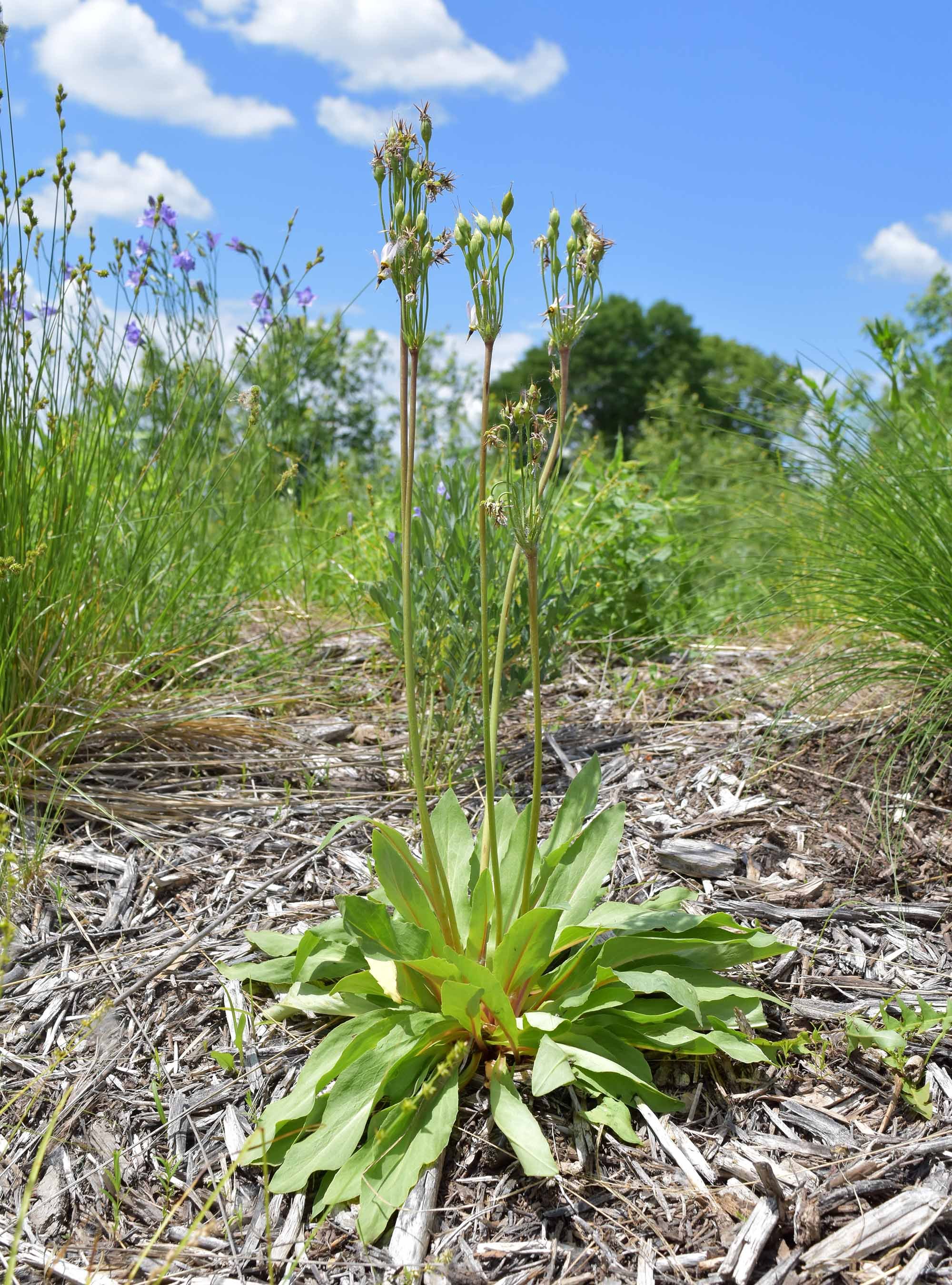
Marsh Milkweed is a host plant for monarch butterflies and is an excellent pollinator plant for wetter areas such as rain gardens and shoreline restorations. It can even handle wet clay. It also grows well in medium soil with mulch.
The leaves of Marsh Milkweed are known for being a favorite of monarchs. You can often find eggs underneath the leaves, and then tiny caterpillars munching away.
Marsh Milkweed is different than Common Milkweed because it stays in clumps and doesn’t spread by roots. This makes it a much better plant for urban gardens where Common Milkweed often spreads too much and out-competes other plants.
Also available in 12-packs of plugs here
Details
Perennial
Sun: Full Sun, Part Shade
Moisture: Wet, Medium-Wet, Medium
Height: 4 feet
Blooms: June, July, Aug
Color: Pink
Spacing: 18-24″
Spreads: A little by seed
Zones: 3-9
Benefits: Butterflies, Pollinators, Birds, Deer Resistant
Design Tips
Plant Marsh Milkweed (Asclepias incarnata) in small drifts of 3-5 in medium-wet soil. Host plants for monarch caterpillars are most effective when planted next to their favorite butterfly nectar plants that bloom during the monarch migration such as Blazing Stars, New England Aster, Ironweed, and Goldenrods.
Great native plant choice for the Minnesota Lawns to Legumes grant program!
Companion Plants
Great Blue Lobelia
New Jersey Tea
Culver's Root
Fox Sedge
Size: 3-pack of pots, each pot is 3" wide x 3" deep
These pots can’t be shipped — pickup only!
Can’t be shipped.
Marsh Milkweed is a host plant for monarch butterflies and is an excellent pollinator plant for wetter areas such as rain gardens and shoreline restorations. It can even handle wet clay. It also grows well in medium soil with mulch.
The leaves of Marsh Milkweed are known for being a favorite of monarchs. You can often find eggs underneath the leaves, and then tiny caterpillars munching away.
Marsh Milkweed is different than Common Milkweed because it stays in clumps and doesn’t spread by roots. This makes it a much better plant for urban gardens where Common Milkweed often spreads too much and out-competes other plants.
Also available in 12-packs of plugs here
Details
Perennial
Sun: Full Sun, Part Shade
Moisture: Wet, Medium-Wet, Medium
Height: 4 feet
Blooms: June, July, Aug
Color: Pink
Spacing: 18-24″
Spreads: A little by seed
Zones: 3-9
Benefits: Butterflies, Pollinators, Birds, Deer Resistant
Design Tips
Plant Marsh Milkweed (Asclepias incarnata) in small drifts of 3-5 in medium-wet soil. Host plants for monarch caterpillars are most effective when planted next to their favorite butterfly nectar plants that bloom during the monarch migration such as Blazing Stars, New England Aster, Ironweed, and Goldenrods.
Great native plant choice for the Minnesota Lawns to Legumes grant program!
Companion Plants
Great Blue Lobelia
New Jersey Tea
Culver's Root
Fox Sedge
Size: 3-pack of pots, each pot is 3" wide x 3" deep
These pots can’t be shipped — pickup only!

 Image 1 of 12
 Image 2 of 12
 Image 3 of 12
 Image 4 of 12
 Image 5 of 12
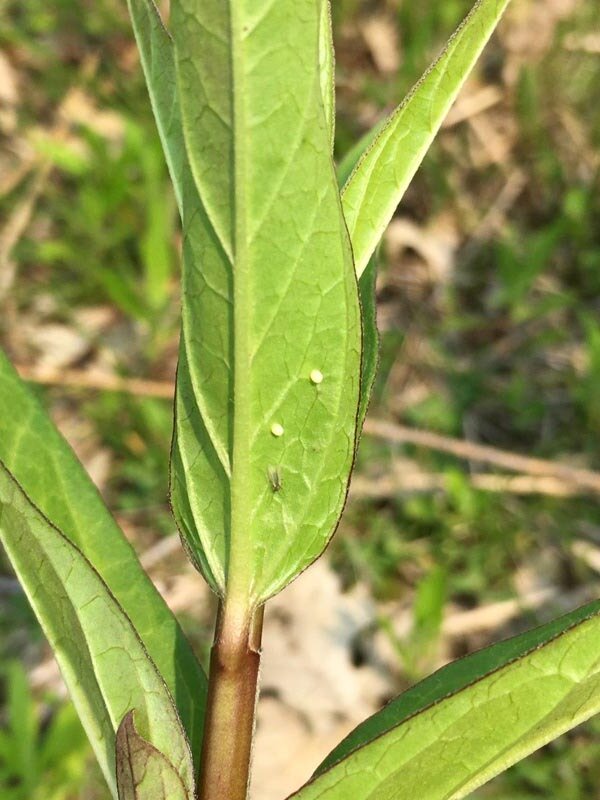 Image 6 of 12
 Image 7 of 12
 Image 8 of 12
 Image 9 of 12
 Image 10 of 12
 Image 11 of 12
 Image 12 of 12