Can be shipped.
What are plugs? Plugs are plants grown in 72-cell trays; each soil plug is 1.6” wide x 3.2” deep. Read more here.
Every garden needs an aster for fall blooms, and New England Aster will not disappoint. In autumn, it creates a full, bushy display of purple flowers that attracts bees, butterflies, and other pollinators when many other plants are finished blooming. These purple flowers make a great companion to the yellow fall blooming goldenrods such as Showy Goldenrod or Stiff Goldenrod.
New England Aster can handle wetter soils, making it a versatile plant for rain gardens and shoreline restorations as well as normal garden conditions with mulch. Like most asters, it does tend to spread by seed.
Details
Perennial
Sun: Full Sun, Part Shade
Moisture:
Height: 5 feet
Blooms: Aug, Sept, Oct
Color: Purple
Spacing: 2′
Spreads: A lot by seed
Zones: 3-8
Benefits: Butterflies, Pollinators
Design Tips
The bottom leaves of New England Aster (Aster novae-angliae) will turn brown near the end of the season, so it’s helpful to plant other grasses, sedges, or flowers along the base to cover up the stems. Planting grasses or sedges next to this aster also helps prop it up and prevents it from flopping over. It spreads quite a bit by seed, making it best suited in taller gardens where tall, spreading plants won’t overwhelm smaller plants over time.
Great native plant choice for the Minnesota Lawns to Legumes grant program!
Companion Plants
Blue Wild Indigo
Marsh Milkweed
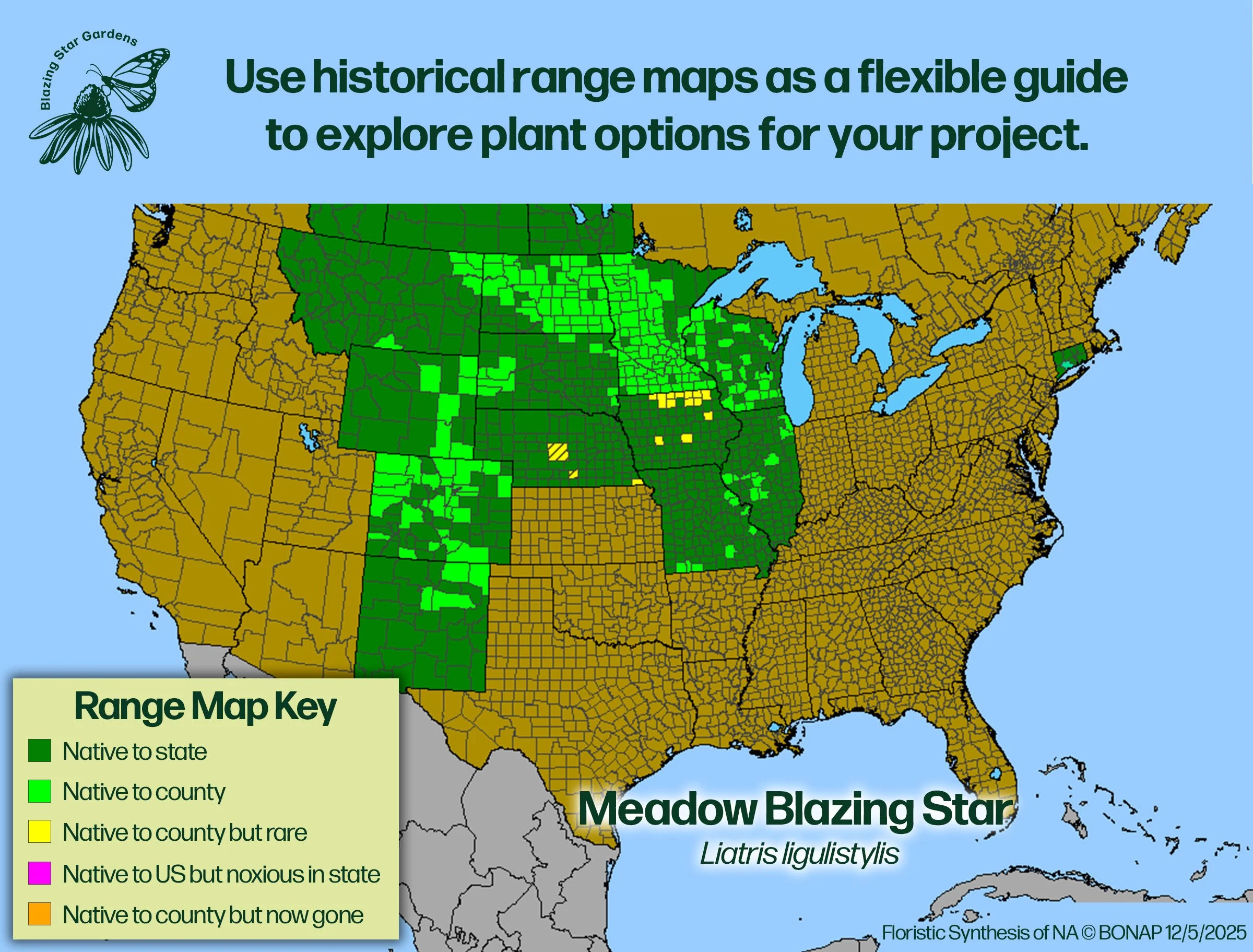
Meadow Blazing Star
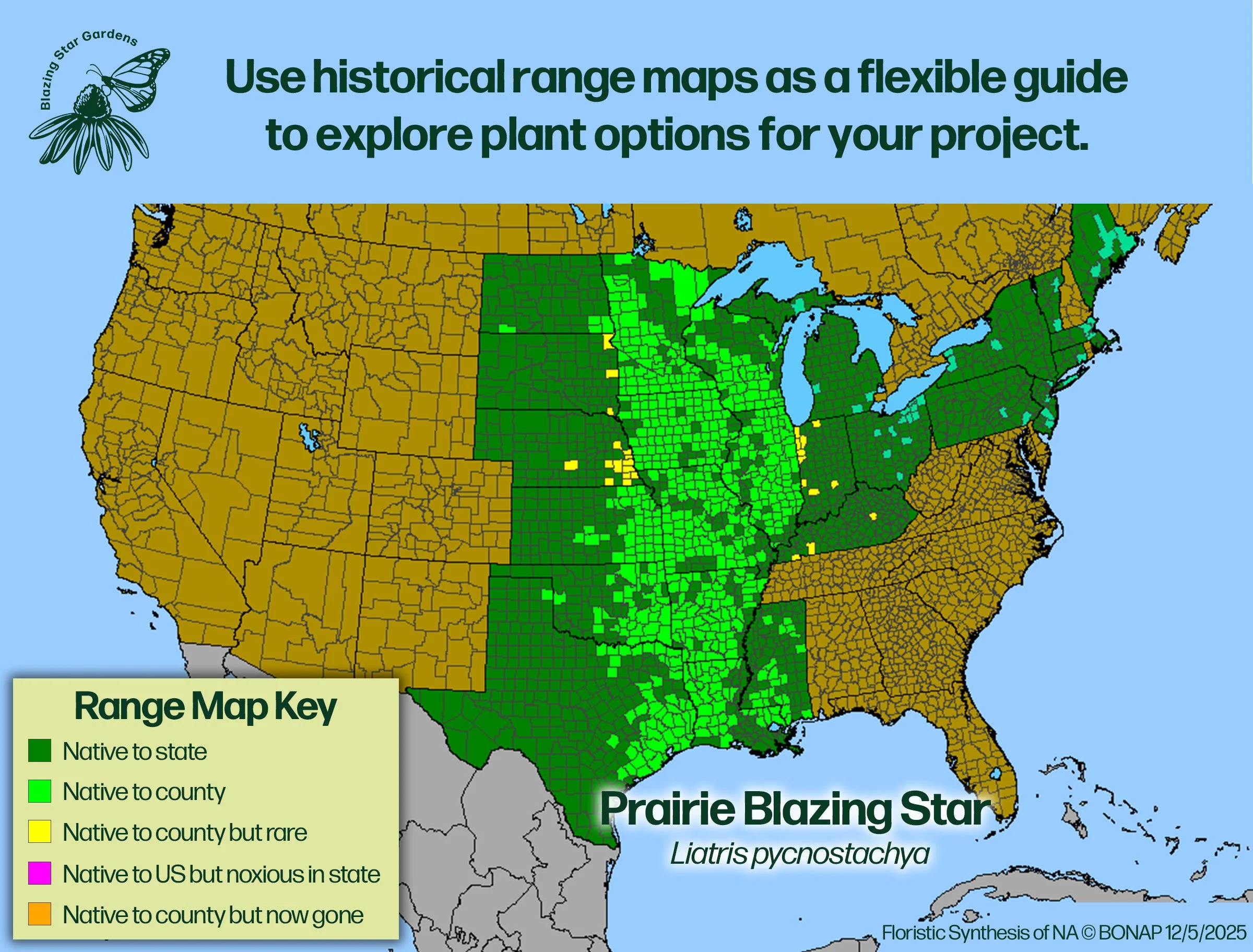
Prairie Blazing Star
Orange Coneflower
Size: 12-pack of plugs
Can be shipped.
What are plugs? Plugs are plants grown in 72-cell trays; each soil plug is 1.6” wide x 3.2” deep. Read more here.
Every garden needs an aster for fall blooms, and New England Aster will not disappoint. In autumn, it creates a full, bushy display of purple flowers that attracts bees, butterflies, and other pollinators when many other plants are finished blooming. These purple flowers make a great companion to the yellow fall blooming goldenrods such as Showy Goldenrod or Stiff Goldenrod.
New England Aster can handle wetter soils, making it a versatile plant for rain gardens and shoreline restorations as well as normal garden conditions with mulch. Like most asters, it does tend to spread by seed.
Details
Perennial
Sun: Full Sun, Part Shade
Moisture:
Height: 5 feet
Blooms: Aug, Sept, Oct
Color: Purple
Spacing: 2′
Spreads: A lot by seed
Zones: 3-8
Benefits: Butterflies, Pollinators
Design Tips
The bottom leaves of New England Aster (Aster novae-angliae) will turn brown near the end of the season, so it’s helpful to plant other grasses, sedges, or flowers along the base to cover up the stems. Planting grasses or sedges next to this aster also helps prop it up and prevents it from flopping over. It spreads quite a bit by seed, making it best suited in taller gardens where tall, spreading plants won’t overwhelm smaller plants over time.
Great native plant choice for the Minnesota Lawns to Legumes grant program!
Companion Plants
Blue Wild Indigo
Marsh Milkweed
Meadow Blazing Star
Prairie Blazing Star
Orange Coneflower
Size: 12-pack of plugs

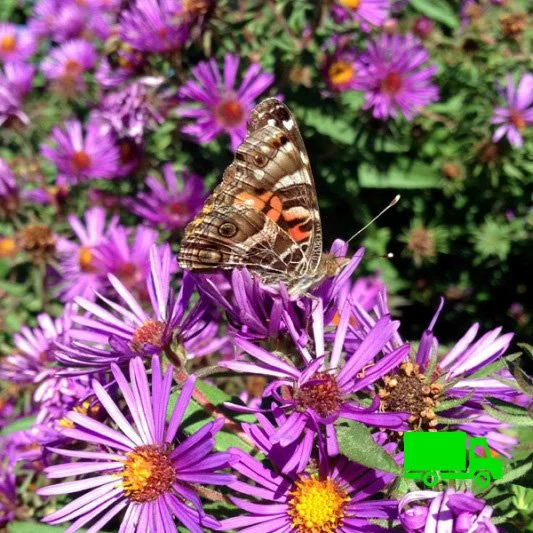 Image 1 of 9
 Image 2 of 9
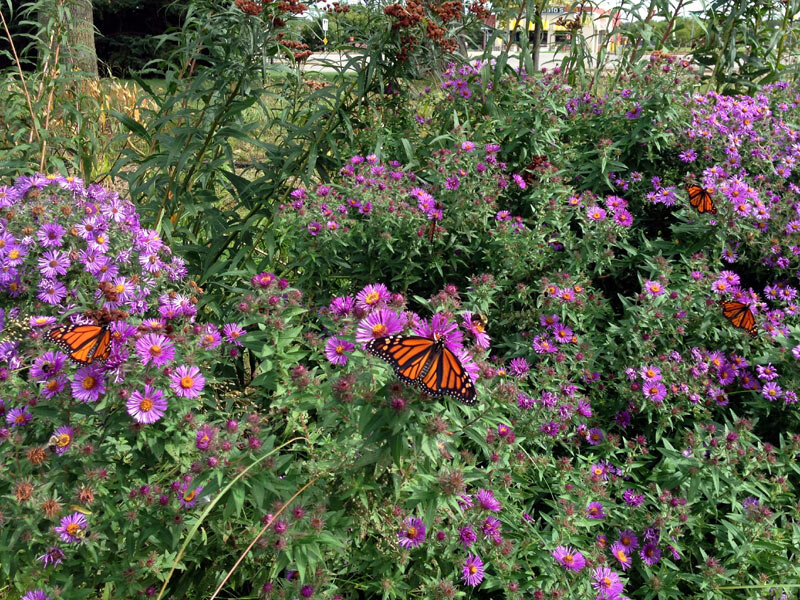 Image 3 of 9
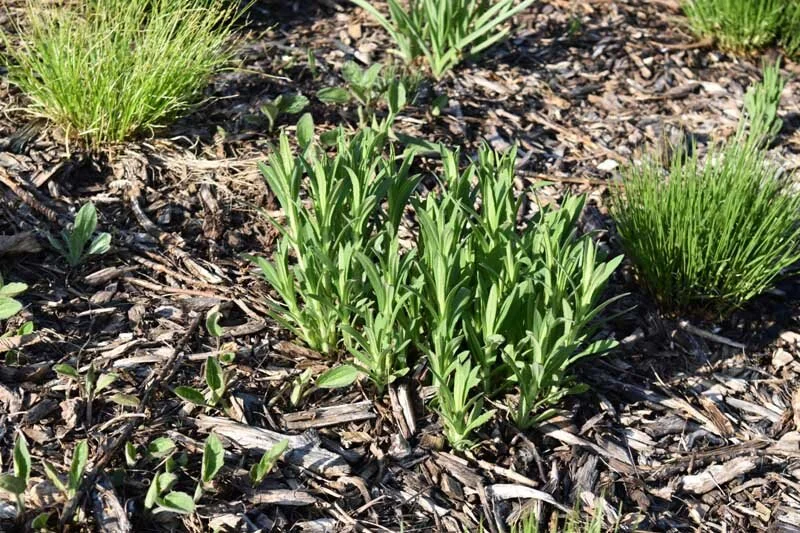 Image 4 of 9
 Image 5 of 9
 Image 6 of 9
 Image 7 of 9
 Image 8 of 9
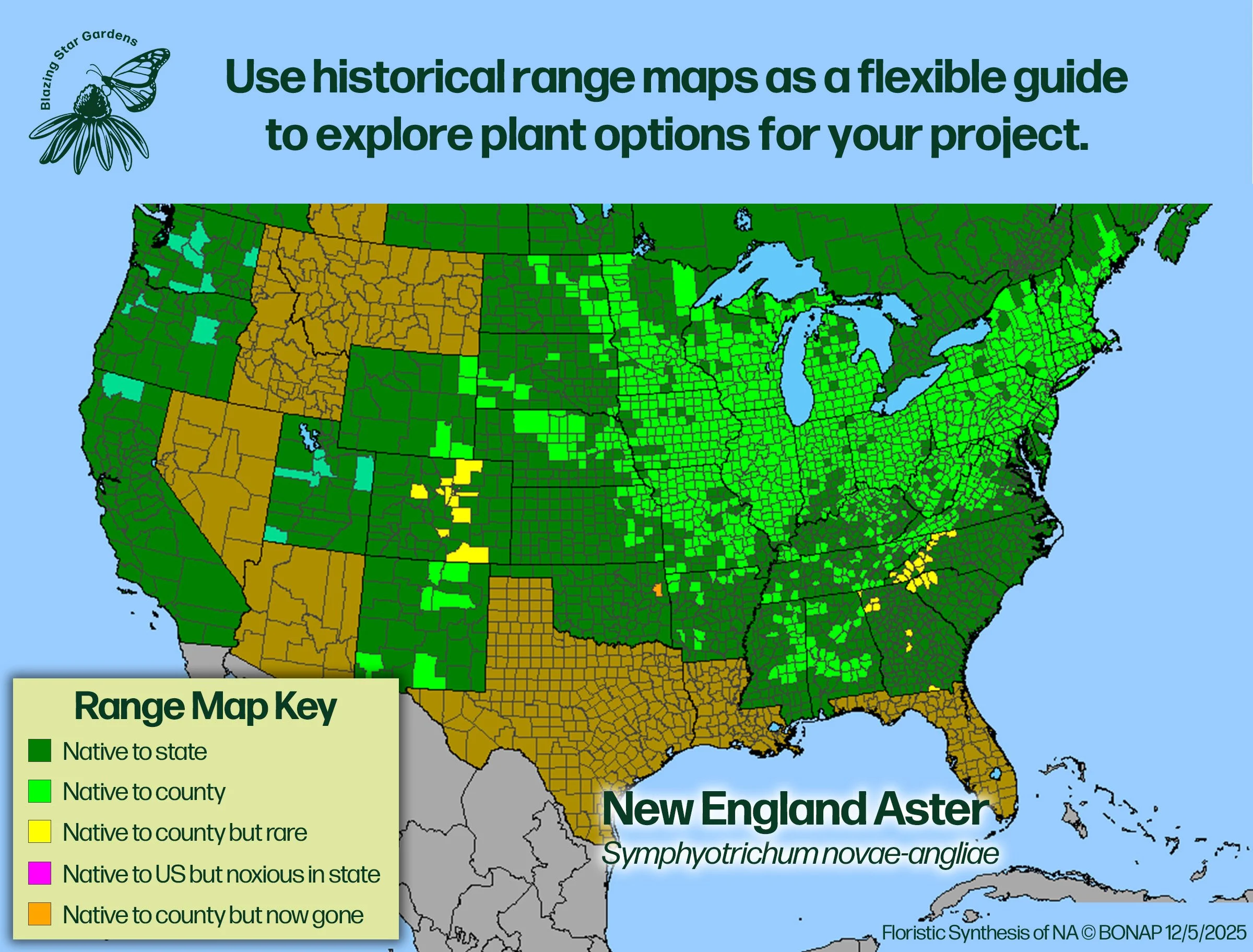 Image 9 of 9